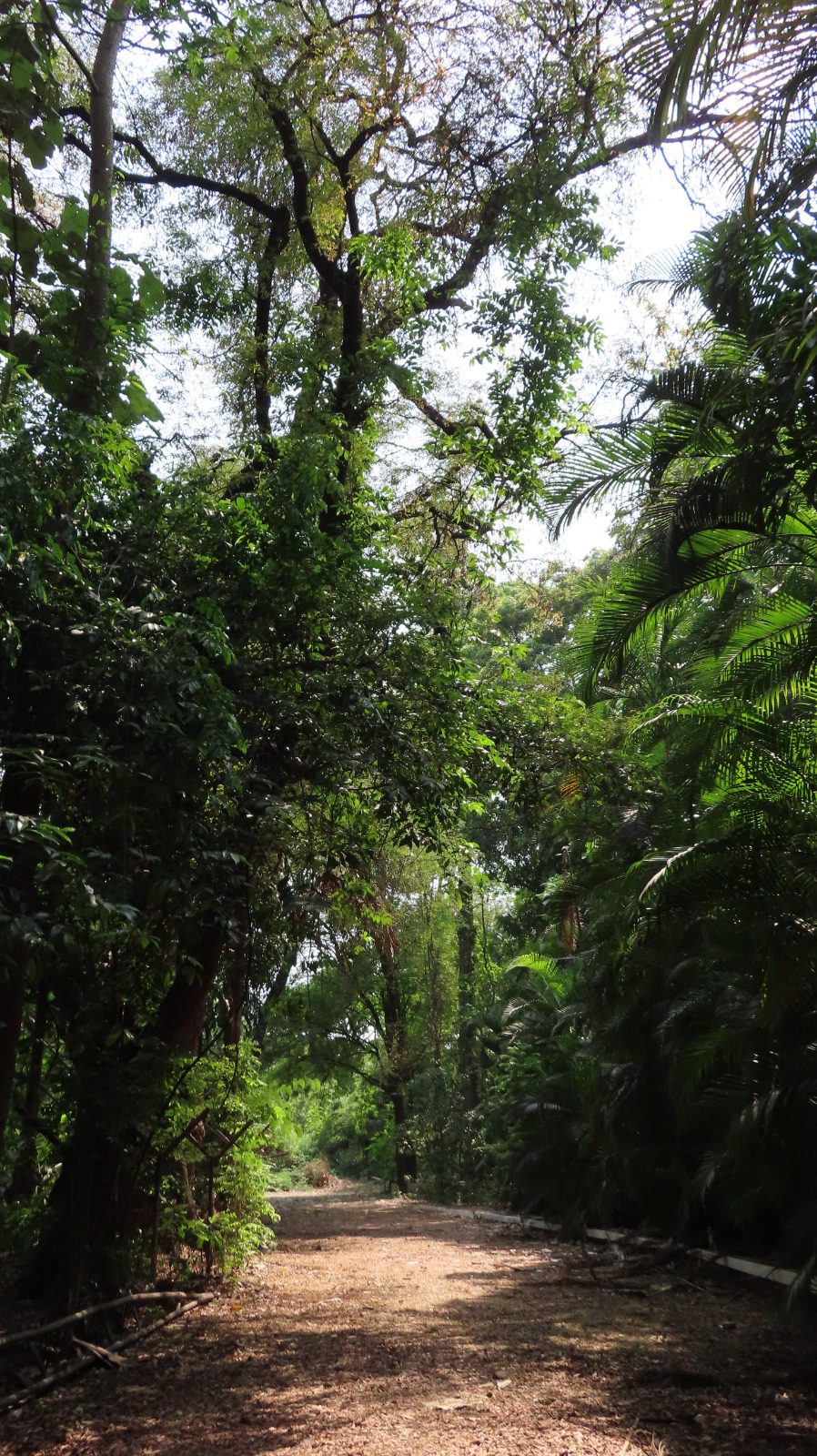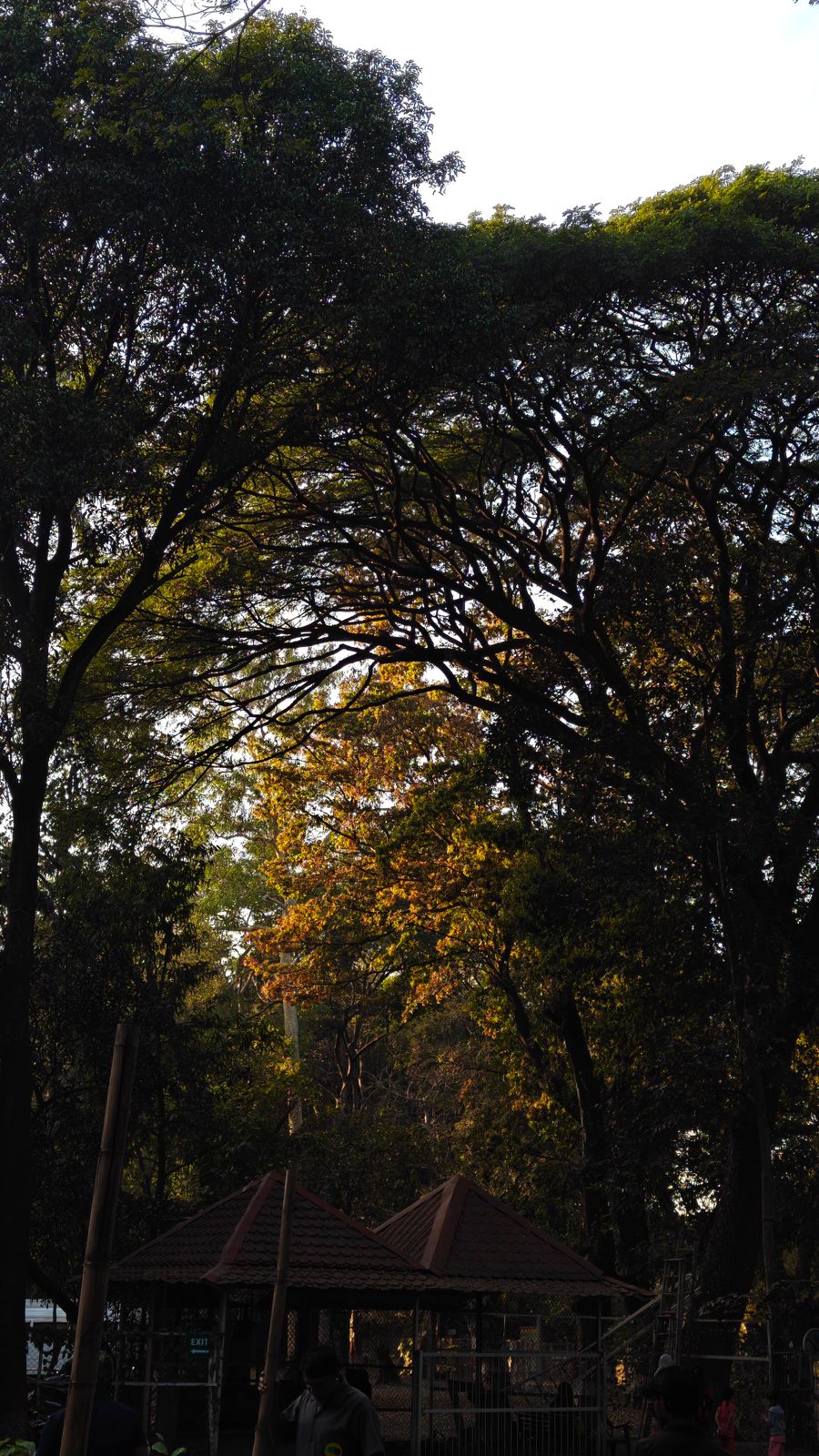
As we begin our walk, take a moment to look around. You may see trees, birds, butterflies, flowers, and people enjoying the outdoors. But a botanical garden is much more than just a green space in a city.
A botanical garden is a living museum of plants and a centre for conservation, research, and education. It brings together plant species from different regions, climates, and ecosystems, allowing us to experience an incredible diversity of life in one place. Many of the trees and plants found here are not commonly seen along city roads or in residential areas. This unique collection supports birds, insects, fungi, and many other organisms, creating a rich ecosystem within the urban landscape.
Botanical gardens play a vital role in conservation. Around the world, plant species are under threat from habitat loss, climate change, pollution, and overexploitation. By cultivating and maintaining diverse plant collections, botanical gardens act as living repositories of biodiversity, helping to safeguard rare and threatened species and preserve valuable genetic resources for future generations.
However, conservation is not only about protecting plants. It is also about helping people build meaningful relationships with nature. Botanical gardens serve as outdoor classrooms where learning happens through observation, exploration, and curiosity. Here, we can touch bark, examine leaves, observe pollinators, listen to birds, and discover the connections that link all living things together.
Across the world, botanical gardens are recognized as important partners in biodiversity conservation and climate action. Many are part of international networks working together to protect plant diversity, restore ecosystems, and inspire environmental stewardship. This garden is also part of that global effort. Through its participation in the Declaration of Intent on Climate Action Education, it has committed to using education as a tool for addressing climate change and promoting sustainable futures.
Every nature walk, school programme, exhibition, and learning activity conducted here contributes to that commitment. By encouraging people to understand and care for the natural world, botanical gardens help create informed citizens who can make positive choices for the environment.
In a rapidly urbanizing world, botanical gardens remind us that cities are not separate from nature. They are places where conservation, education, research, recreation, and climate action come together. Every tree here tells a story—not only of its own species, but also of our shared responsibility to protect the living world.
As we continue our walk today, think of this garden not simply as a collection of plants, but as a living library, a conservation centre, and a place where people and nature reconnect. By being here, you are becoming part of a global movement that recognizes the power of education, curiosity, and collective action in creating a more sustainable future.