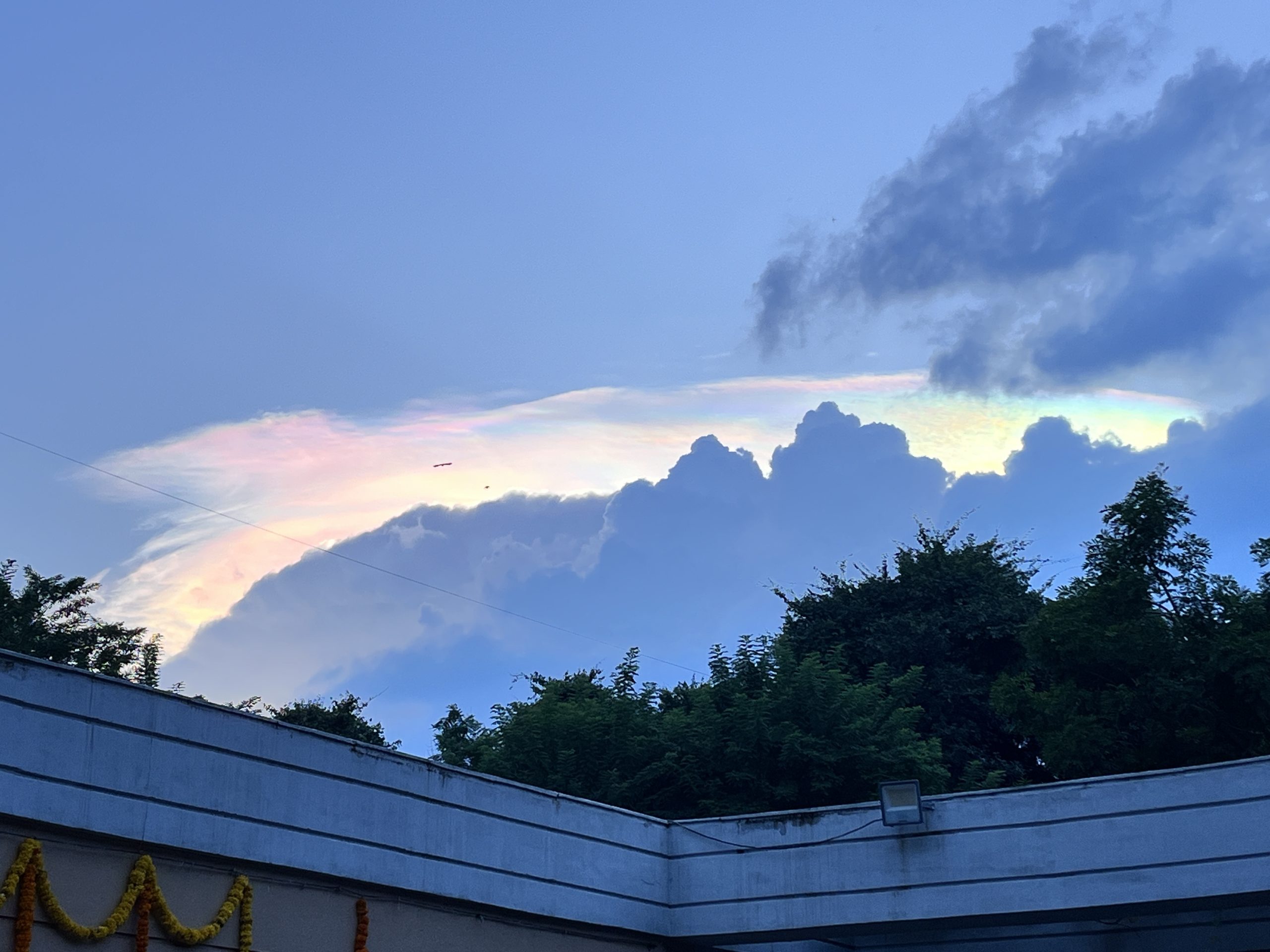
In college, during one of my cinematography lectures, I first heard about the golden hour that brief window in the evening when sunlight softens, shadows stretch, and everything turns warm and almost unreal. Our professor said something that stayed with me
“Frames captured during golden hour are rare. You cannot recreate that exact shade again. The light changes every second.”
At that time, I thought it was just technical knowledge about lighting, exposure, aesthetics. But when I actually went out and observed it, camera in hand, I understood something deeper. The sky wasn’t just orange. It was amber melting into pink, gold brushing against lavender, shadows slowly turning blue. Every second, the colours shifted. What I captured at 5:42 pm didn’t look the same at 5:44 pm. That was the moment I truly understood the importance of colour. Not as theory, not as design but as experience.
I don’t remember the first time I noticed colour but I remember the first time I felt it. Colour isn’t just something we see. It’s something we experience. Before humans ever created paints or palettes, nature had already mastered colour. We just borrowed it. Sometimes I think we didn’t invent colour symbolism, we learned it from landscapes.
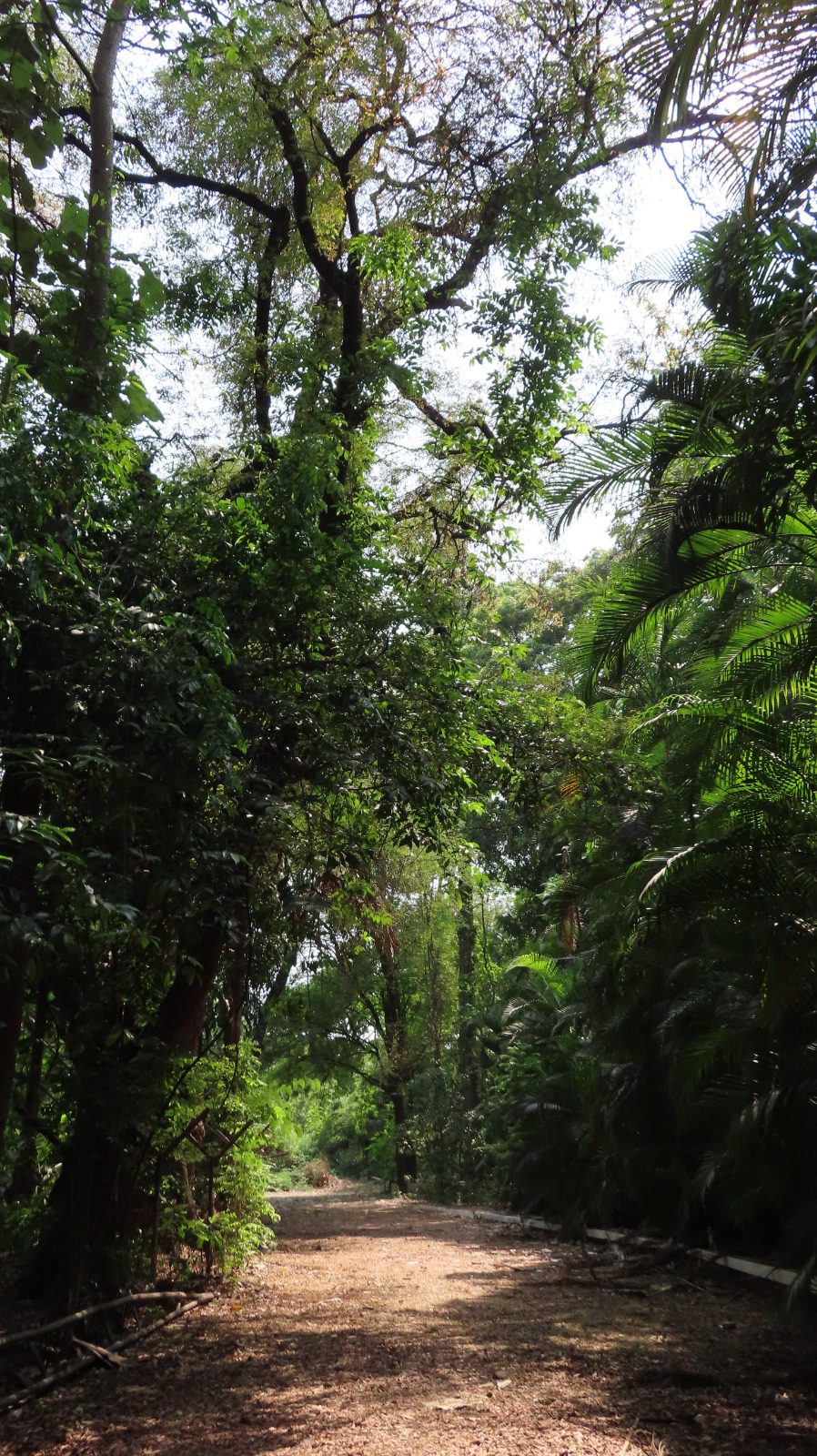
Over time, I started noticing how colours shape my emotions. On days when I wear black, I feel contained strong, quiet. When I wear white, I feel open. When I sit near greenery, my breathing slows without me even trying. Isn’t it strange how something so visual can affect something so internal ?
Colour isn’t fixed. Its meaning shifts with context, memory, and emotion. Perhaps that is why it feels so human because just like us, it changes depending on where it exists and what surrounds it. Think about how you change depending on where you are. You are not the same version of yourself when you are with your family, at the office, your best friend. The core remains the same, yet the tone, the expression, the energy shifts. Colour behaves in the same way. It adapts to its environment, to the light around it, to the emotions we attach to it.
Have you ever paused in front of a painting and wondered why the artist chose deep blue instead of pale blue? Why a corner is shadowed in dark purple instead of black? These decisions are not accidental. Colour in art carries intention. It carries atmosphere. It holds emotional weight. They translate feelings that may not have words. Colour becomes their language, subtle yet powerful.
Now imagine the world without colour, reduced to shapes and shadows alone. Everything would still exist in form, yet something essential would be missing. It would feel distant, almost lifeless. Colour adds depth and contrast.
When we slow down enough to notice the exact shade of the sky or the slight variation between leaves, we are not simply observing colour; we are learning to be present. Observation becomes a form of awareness. Awareness becomes appreciation. And gradually, the world begins to feel richer.
We stop seeing colour as surface decoration. We begin to see stories within it. We recognize symbolism. We sense nature communicating in quiet ways. And in that realization, we understand that we do not live in a world made only of objects and structures. We live in a spectrum, constantly changing, constantly reflecting who we are.