Wildlife Week is celebrated every year in India from 2nd October to 8th October; to raise public
awareness about the crucial need to protect, preserve, and conserve our rich biodiversity.
Wildlife conservation is often associated with forests, national parks, tiger reserves but wildlife
is not limited to these natural boundaries. Wildlife also thrives around us in gardens, parks,
small green spaces and roadside trees in the cities. This is known as Urban Wildlife.
Our cities are home of countless diversity of life including us. From spiders, birds, insects, bees,
butterflies to the mongoose, snake. We encounter many species daily but we don’t think about
them as wildlife. If we look a little closer at our surroundings, we can begin to understand and
respect these species and recognise the important ecological roles they play in our environment.
If you pause for a while and observe your surroundings, you may begin to notice many more
fascinating neighbours living alongside us. Let’s take a closer look at a few of them.
Squirrels: Cutest seed hiders and seekers
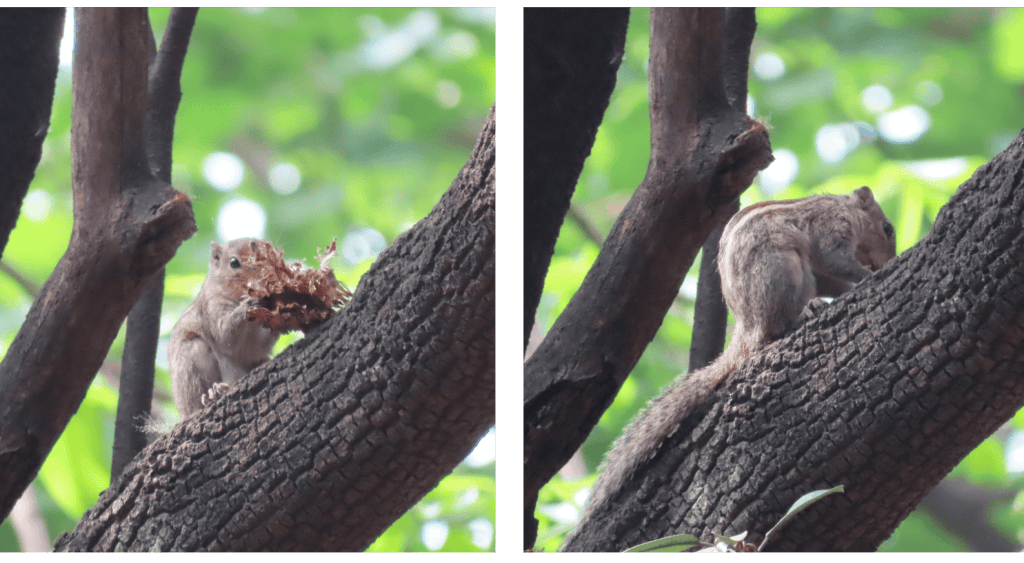
Squirrels are the cutest animals who are very much familiar to the urban space. You can spot the
squirrels in any garden or park, frequently climbing trees, jumping here and there or searching
for food. They eat fruits, seeds or nuts and their habit of carrying and burying seeds contribute
to the seed dispersal and plant regeneration. Playfully but they play a meaningful role in
supporting urban green space. There is another group which is also sometimes playful in nature
but they add different colours, music and movements around us.
Birds: The natural music of the cities
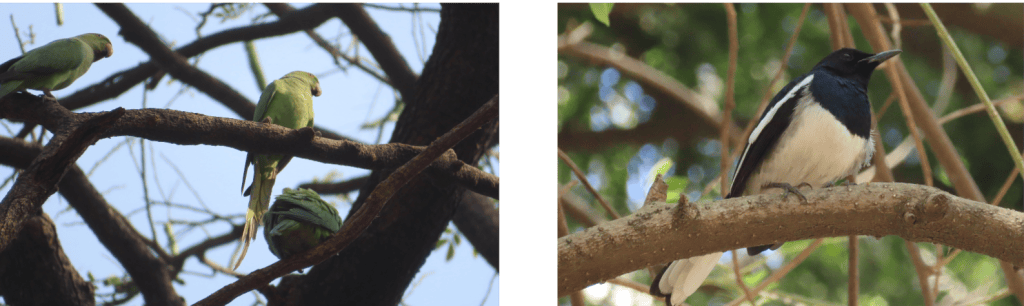
The presence of varieties of birds around us is in itself a therapy. From the melodious singing
birds like robins, bulbuls, flycatchers to the colorful vibrant birds like sunbirds, bee eaters,
peacocks perform several ecological roles. Depending on the species or feeding habits they help
with pollination, seed dispersal also some act as a natural pest control. We can also understand
the seasonal change by observing these beautiful creatures. If we look closer we will find the
small hunters quietly doing their work.
Spiders: Who are small hunters but have big contributions
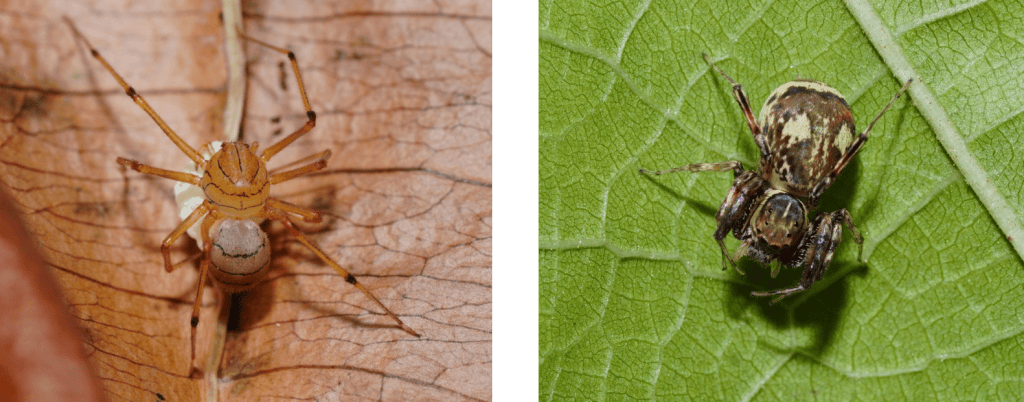
Spiders are among the most fascinating yet misunderstood residents of our urban spaces. From
weaving delicate yet strong webs between branches to ground webs on leaves, they play an
important role as a natural predator or pest controller. They help to regulate insect populations
contributing to the ecological balance. Spiders are also one of the feared animals but they are
harmless to humans. Like these feared residents we have another most feared one, yet many of
them would rather escape than confront us.
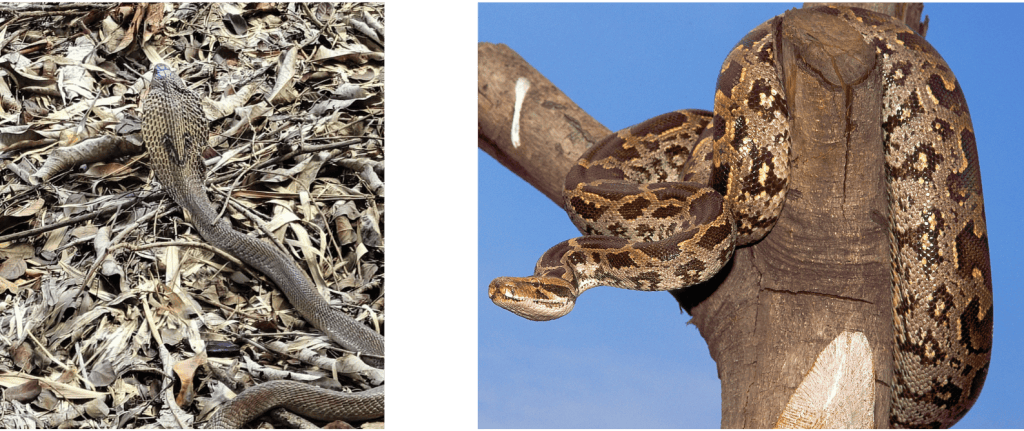
Snakes: The most feared and misunderstood members of the ecosystem
Snakes are often the most feared and misunderstood species but they are essential in maintaining the
ecological balance. Snakes are important predators, helping with regulation of the rodents and other
small animal populations. Some species are venomous but there are non venomous snakes that also
present. They all deserve our understanding and respect. If we maintain a safe distance it helps us to
co-exist without any conflict. And to hunt snakes there is one hidden neighbour who is always around
us but seen rarely.
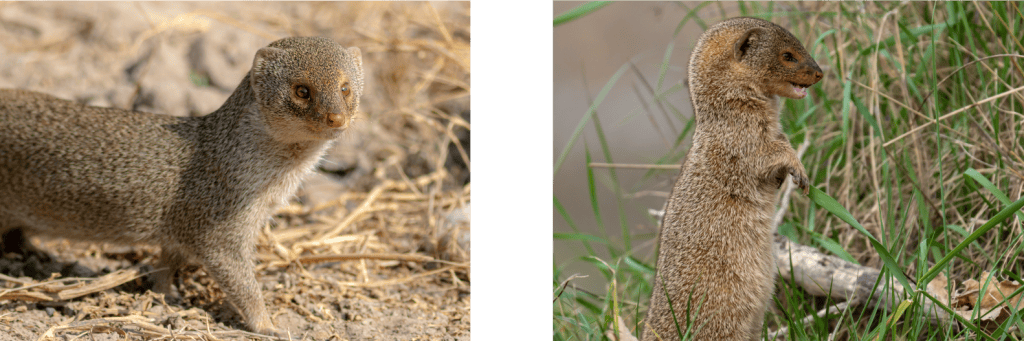
Mongoose: The hidden but curious neighbour
Mongooses are adaptable mammals that can be found in a variety of landscapes including near human
settlements and also they feed on a variety of prey, including insects, rodents and small reptiles
making them an important part of the urban wildlife food web. Their presence shows how wildlife
adapts to the changing environment and continues to stay beside us. They are part of the food web
and help maintain ecological balance. The food web is incomplete if there are no tiny creatures in the
soil, fallen leaves or vegetation working daily.
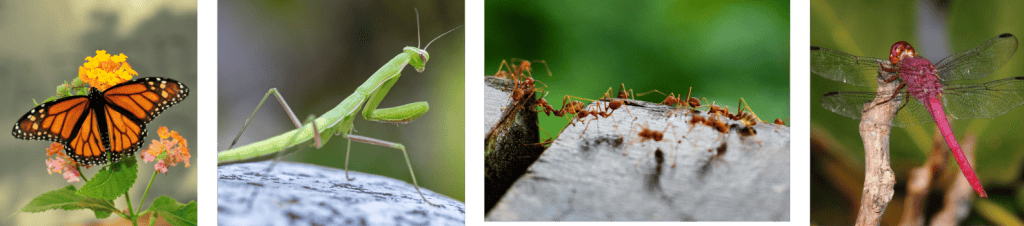
Insects: The tiny creatures with lots of responsibilities
Insects are one of the overlooked fauna if they are not bees or butterflies. But they perform a wide
range of ecological functions. Contributing to the pollination, decomposition and nutrient cycling
also supporting the food web serving as a food source for many other animals. Insects are
wonderfully beautiful and intelligent creatures. They are among the most diverse and ecologically
important creatures in the cities. Even though insects are small and often overlooked, they are
fundamental to the functioning of a healthy ecosystem.
Now, will you pause and notice the wildlife around you?
Perhaps, if we pay a little more attention, we may begin to notice the smallest changes in our
surroundings and even realise when something is no longer there.
Urban wildlife does not exist as separate groups. Each species depends on others, either directly or
indirectly, and together they form a connected web of life. They need more than isolated green
spaces. Connected with the trees, gardens, water bodies and other natural habitats which will
provide food, shelter, and safe movement routes. When these spaces are connected they will
support each other as they move through increasingly urbanised landscapes.
However, roads, habitat loss, pollution and excessive pesticide use and unplanned urban
development are disrupting these connections, making it difficult for wildlife to thrive, to find food,
shelter or safe passages.These urban spaces are not ours alone; they are also home to countless
species, each playing an important role in maintaining healthy ecosystems. Protecting and
respecting the existing green spaces, reducing pollution or understanding the wildlife is our
responsibility towards them. When we understand and appreciate the species around us, we
become more mindful towards them and then it begins the co-existence between humans and
wildlife. We can contribute to this co-existence by simple actions like observing animals without
disturbing them, avoiding littering, protecting trees and plants, reducing pesticide use and allowing
wildlife to exist in its natural way.
This Wildlife Week, take a moment to pause and explore the nature around us. Notice a spider
weaving its web, listen to the beautiful melody of birds, watch an ant working hard to build its
house and observe the cute little squirrels playfully moving through trees. Wildlife conservation
begins with awareness and awareness begins with observation and observation begins with
curiosity. Be curious but also be mindful. Like this we all are able to contribute to conserving the
biodiversity we share.